
Essential Spices for a Perfect Seafood Boil
November 18, 2024 • By Uncommon Brothers
Elevate your next backyard gathering with the perfect blend of spices for a mouth-watering seafood boil.
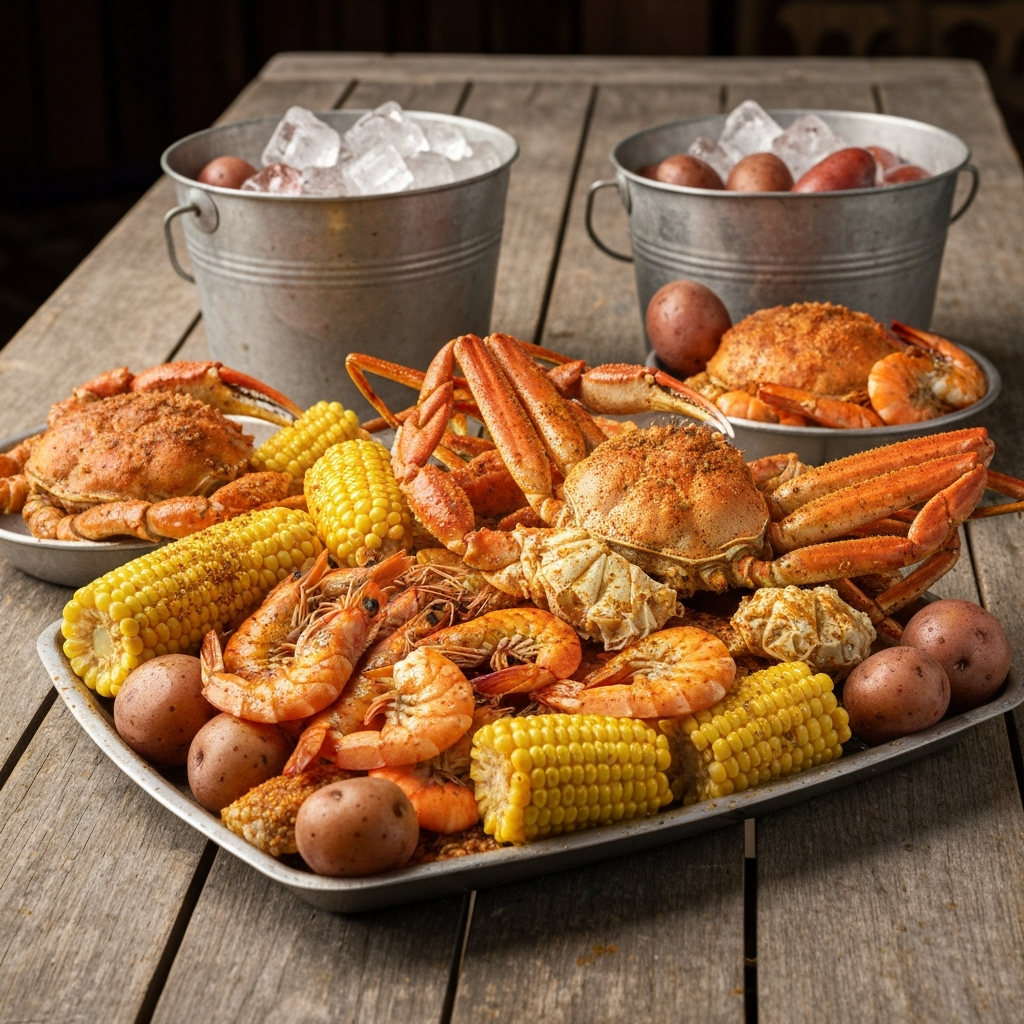
There is something incredibly primal and communal about a seafood boil. It’s not just a meal; it’s an event. Friends and family gathered around a newspaper-lined table, cracking shells, laughing, and sharing stories over a steaming pile of crab, shrimp, crawfish, potatoes, corn, and sausage. But what truly makes or breaks a seafood boil isn't just the quality of the seafood—it’s the seasoning. The water in which everything boils is the lifeblood of the dish. If it’s under-seasoned, your feast will be bland and uninspired. If it’s perfectly seasoned, every bite will be an explosion of flavor that keeps everyone coming back for more.
Crafting the ultimate boil seasoning is part science and part art. While store-bought blends are convenient and serve as a great foundation, the secret to a truly memorable boil lies in understanding the individual spices and how they interact. Here is your comprehensive guide to the essential spices for a perfect seafood boil.
The Foundation: Celery Salt and Mustard Seed
Every great seafood boil starts with a solid foundation. If you look at the ingredients of iconic commercial blends like Old Bay or Zatarain’s, you will notice a recurring theme: celery salt and mustard seed.
Celery Salt: This provides the crucial savory, slightly bitter, and earthy backbone that complements the natural sweetness of seafood like crab and shrimp. It acts as a flavor enhancer, bridging the gap between the briny seafood and the intense spices that follow.
Mustard Seed: Whether you use yellow or brown mustard seeds (or a mix of both), they add a pungent, tangy bite that cuts through the richness of the sausage and the butter you’ll inevitably be dipping everything into. When boiled, mustard seeds release their essential oils, infusing the broth with a deep, complex warmth.
Building the Heat Profile: The Pepper Trifecta
A seafood boil without a kick is a missed opportunity. However, heat shouldn't just be about burning your palate; it should be about building layers of warmth that linger pleasantly. To achieve this, you need a trifecta of peppers.
Cayenne Pepper: This is your primary heat source. Cayenne delivers a sharp, immediate spice that wakes up the taste buds. Adjust the amount based on your crowd, but don’t be too timid—the water will dilute the spice, so you need more than you think.
Black Peppercorns: Whole black peppercorns add a woody, piney heat that sits at the back of the throat. Leaving them whole ensures they release their flavor slowly throughout the boiling process without turning the broth muddy.
Paprika: While standard sweet paprika adds a beautiful vibrant red color to your boil, using smoked paprika (Pimentón) adds a subtle, campfire-like smokiness that pairs incredibly well with Andouille sausage and sweet corn. It bridges the gap between the heat and the savory elements.
The Aromatics: Garlic, Onion, and Herbs
Spices provide the punch, but aromatics provide the soul of the boil.
Garlic and Onion Powder: While you should absolutely be tossing whole heads of garlic and halved onions directly into the pot, adding garlic and onion powder to your spice blend ensures that the flavor permeates every drop of the liquid and coats the seafood evenly.
Bay Leaves: Never underestimate the power of bay leaves. They add a subtle, herbal astringency that balances the heavy spices and rich foods. Toss in a generous handful of dried bay leaves; they are the unsung heroes of the boil pot.
Thyme and Oregano: Dried thyme adds a minty, earthy note, while oregano brings a robust, slightly peppery flavor. Together, they round out the harsh edges of the cayenne and bring a touch of Mediterranean complexity to the southern classic.
The Unexpected Secret Ingredients: Warm Spices
This is where you elevate your boil from good to legendary. Adding a touch of warm, baking spices might sound counterintuitive, but it’s the secret weapon of many seasoned pitmasters and boil chefs.
Allspice Berries and Whole Cloves: Just a small amount of whole allspice and cloves adds a sweet, highly aromatic, and slightly numbing quality to the broth. It creates a background complexity that will have your guests asking, "What is that flavor?" Be careful, though—a little goes a long way. Too much clove can easily overpower the pot.
Coriander Seeds: Coriander adds a bright, citrusy, and slightly floral note that lightens the heavy, savory elements of the boil. It pairs perfectly with the fresh lemons you'll be squeezing into the water.
The Citrus Element
While not a dry spice, citrus is an essential seasoning component. The acid in lemons cuts through the richness and brightens the entire flavor profile. Cut several lemons in half, squeeze the juice directly into the boiling water, and then toss the rinds right into the pot. The essential oils in the lemon skin will extract into the water, providing a deep, fragrant citrus note that juice alone cannot achieve.
The Salt Factor
The most common mistake beginners make is under-salting the water. The boiling liquid needs to be aggressively seasoned—it should taste as salty as the sea. Remember, the salt has to penetrate the shells of the crab, the thick skins of the potatoes, and the sweetness of the corn in a relatively short amount of time. If your broth tastes perfectly seasoned in the pot, your food will be bland. Push the salt to the limit. Kosher salt is preferred for its clean taste and easy dissolvability.
The Technique: Blooming and Timing
Having the right spices is only half the battle; knowing how to use them is the other half.
Blooming the Spices: Don't just dump your spices into cold water. Bring your water to a rolling boil, add your spice blend, the halved lemons, onions, and garlic, and let it boil for at least 15 to 20 minutes before adding any food. This process, known as "blooming," allows the spices to rehydrate, release their essential oils, and meld together into a unified, flavorful broth.
Timing the Boil: Add your ingredients in stages based on how long they take to cook. Potatoes go in first, followed by the sausage. Once the potatoes are nearly fork-tender, add the corn. Finally, add the seafood (shrimp, crab, or crawfish) at the very end. Seafood cooks incredibly fast, and overcooked, rubbery shrimp will ruin a great flavor profile.
The Soak: The most crucial step for flavor penetration happens off the heat. Once the seafood is cooked, turn off the burner, add a bag of ice (or frozen corn) to stop the cooking process, and let everything soak in the seasoned water for 15 to 30 minutes. As the food cools slightly, it acts like a sponge, drawing that incredibly spiced liquid deep into the meat and vegetables.
Conclusion
A seafood boil is a celebration of abundance, community, and bold flavors. By mastering the essential spices—balancing the earthy foundation of celery salt and mustard seed, building layers of heat with cayenne and black pepper, adding depth with aromatics and warm spices, and finishing with bright citrus and aggressive salt—you guarantee a feast that your friends and family will talk about long after the last crab leg is cracked. So fire up the burner, grab a paddle, and get ready to elevate your next backyard gathering.